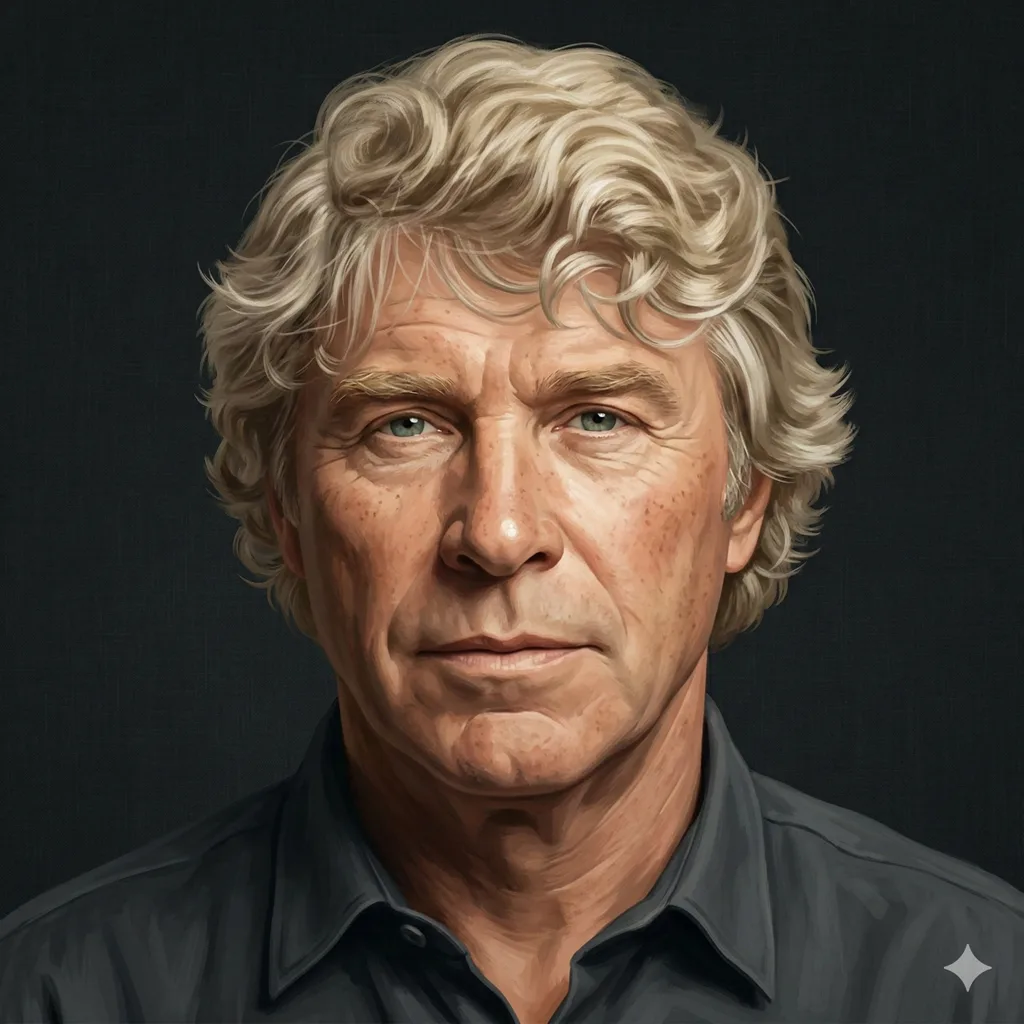
Joseph Daniel Casolaro
- Date
- August 10, 1991
- Location
- Martinsburg, West Virginia
- Official Ruling
- Suicide
Joseph Daniel “Danny” Casolaro was a freelance investigative journalist based in the Washington, D.C., area who spent the final year of his life pursuing what he believed was the story of a lifetime. He called it “The Octopus” – an alleged sprawling network connecting U.S. intelligence agencies, foreign arms dealers, software theft, and covert financial operations. At the center of his investigation was the Inslaw affair, a well-documented legal dispute in which the Department of Justice was accused of stealing a proprietary software system called PROMIS from its developer, Inslaw Inc., and distributing modified versions to foreign intelligence services.
On August 10, 1991, Casolaro was found dead in the bathtub of his room at the Sheraton Inn in Martinsburg, West Virginia. His wrists had been slashed 10 to 12 times – deep, deliberate cuts to both arms. The local medical examiner ruled the death a suicide. The ruling has been disputed by his family, fellow journalists, and congressional investigators ever since.
Background
Casolaro was 44 years old at the time of his death. He had worked as a freelance journalist and had previously published a novel. By 1990, he had become consumed by the Inslaw/PROMIS case, which itself had attracted congressional attention. A House Judiciary Committee investigation had already concluded that the Department of Justice had engaged in a “trickery, fraud, and deceit” against Inslaw – language from the committee’s own 1992 report.
Casolaro believed the PROMIS theft was not an isolated incident but a thread in a much larger web. His research led him into contact with intelligence sources, arms dealers, and figures connected to covert operations. He told friends and family he was close to pulling the entire story together – connecting the Inslaw case to the October Surprise allegations, the BCCI banking scandal, and covert arms sales.
He had traveled to Martinsburg to meet a source he believed would provide the final piece of his investigation.
What Happened
On the morning of August 10, 1991, a housekeeper at the Sheraton Inn discovered Casolaro’s body in the bathtub of Room 517. Both wrists had been deeply slashed – between 10 and 12 cuts total, including several that severed tendons. A razor blade and a plastic bag were found nearby. There was no suicide note.
The Berkeley County, West Virginia, medical examiner ruled the death a suicide. The body was embalmed by a local funeral home before Casolaro’s family was notified and before they could request an independent autopsy. This rapid embalming – which destroyed potential toxicological and forensic evidence – became one of the most contested elements of the case.
A briefcase containing research materials that Casolaro had reportedly brought with him to Martinsburg was never recovered. Associates confirmed he had been carrying documents and notes related to his investigation. The missing briefcase has never been accounted for by law enforcement.
What Doesn’t Add Up
The wounds. Ten to twelve deep slash wounds to both wrists is an unusual presentation for suicide. While not impossible, the severity and number of cuts – particularly those severing tendons, which would have impaired grip strength – raised immediate questions among forensic experts and journalists who covered the case.
The embalming. Casolaro’s body was embalmed before his family could intervene. This effectively eliminated the possibility of an independent forensic examination, including toxicology screening that might have revealed whether he had been incapacitated before the cuts were made. The family has described this as a critical failure of the investigation.
The missing briefcase. Casolaro was known to carry research documents with him, and associates confirmed he had materials related to his investigation at the hotel. The briefcase was never found. No explanation has been offered for its disappearance.
His own warning. In the weeks before his death, Casolaro told multiple friends and family members: “If anything happens to me, don’t believe it was a suicide.” This statement – made to several people independently – is consistent with a man who believed his investigation had put him in danger. Similar warnings were made by Max Spiers before his death in Warsaw in 2016.
The DOJ review. The Department of Justice conducted an internal review of the case in 1994, ultimately concluding that the death was a suicide and rejecting claims of homicide. Critics have noted that the DOJ itself was a subject of Casolaro’s investigation – specifically regarding the Inslaw/PROMIS case – making its role as reviewer a conflict of interest.
Key Quotes
“If anything happens to me, don’t believe it was a suicide.” – Danny Casolaro, reported by multiple friends and family members in the weeks before his death
“Danny was not suicidal. He was excited about his story. He thought he was about to crack it wide open.” – Anthony Casolaro, brother, in interviews following the death
“The Department of Justice acted willfully and fraudulently, and knowingly stole the Enhanced PROMIS software through trickery, fraud and deceit.” – House Judiciary Committee report on the Inslaw affair, 1992
Sources
- “Behold, A Pale Horse: A True Crime Narrative” – Vanity Fair, December 1991
- “Body of freelance journalist is found in W. Virginia hotel” – Washington Post, August 1991
- “Death of reporter ruled a suicide” – Washington Post, January 1992
- Department of Justice internal review of the Casolaro death, 1994 – DOJ archived records
- “Journalist’s death investigated” – Deseret News, August 1991
- House Judiciary Committee report on the Inslaw affair, 1992 – U.S. Government Publishing Office