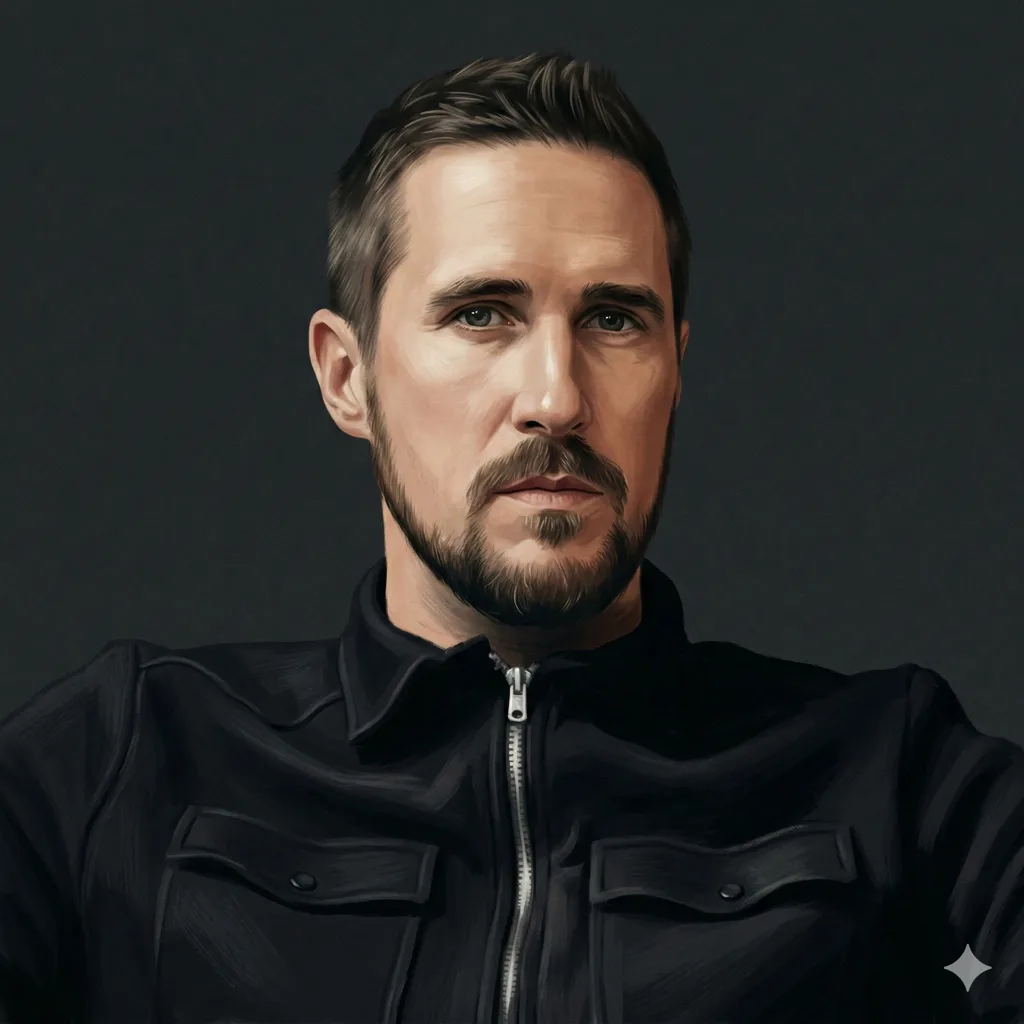
Maxwell Bates-Spiers
- Date
- July 16, 2016
- Location
- Warsaw, Poland
- Official Ruling
- Natural causes – anxiety medication
Maxwell “Max” Bates-Spiers was a British researcher and speaker on the conspiracy and paranormal circuit who gained a significant online following in the years before his death. He covered a range of topics – from alleged government mind control programs to secret space programs and extraterrestrial contact. He was a polarizing figure: dismissed by mainstream media as a conspiracy theorist, but regarded within his community as a dedicated investigator who took personal risks to pursue his research.
In July 2016, Spiers traveled to Warsaw, Poland, to speak at a conference. He died there on July 16, 2016, at the age of 39. The circumstances of his death – and the investigations that followed – have been marked by conflicting accounts, institutional failures, and a family that has refused to accept the official narrative.
Background
Spiers was born in Canterbury, Kent, and grew up in the area. He became involved in conspiracy research communities in the early 2010s, building a following through YouTube videos, podcast appearances, and conference talks. His subject matter ranged broadly across fringe topics, including allegations of secret military programs, “super soldier” narratives, and what he described as personal experiences with covert government projects.
While his claims were far outside the mainstream, Spiers was a prolific communicator with a dedicated audience. He traveled internationally to speak at conferences and maintained an active presence in online communities that overlap with – but are distinct from – the more evidence-focused UAP disclosure movement.
By mid-2016, Spiers was reportedly experiencing health issues and personal difficulties, though accounts differ on the severity. He nonetheless committed to a speaking engagement in Warsaw and traveled to Poland in July.
What Happened
On July 16, 2016, Max Spiers was found dead on a sofa at the apartment of a friend in Warsaw. According to the BBC’s initial reporting, he “died after vomiting black liquid.” Polish emergency services were called to the scene, and Spiers was pronounced dead.
Shortly before his death, Spiers sent a text message to his mother, Vanessa Bates, that read: “If anything happens to me, investigate.” The message was sent in the days leading up to his death and was later confirmed by Bates in multiple media interviews.
Polish prosecutors conducted an initial investigation and concluded that Spiers had died of natural causes, ruling out third-party involvement. They attributed the death to the effects of anxiety medication.
The case was then taken up by UK authorities for an inquest, which concluded in 2019. The East Kent coroner recorded a finding that Spiers died after taking an anti-anxiety drug. However, the coroner’s findings were accompanied by sharp criticism of the police investigation.
What Doesn’t Add Up
The text message. “If anything happens to me, investigate” is a striking statement from someone who died days later under contested circumstances. Spiers’s mother has been clear that her son was not being dramatic or vague – he was expressing a specific fear. This echoes similar warnings made by Danny Casolaro before his death in 1991 and by Phil Schneider before his death in 1996.
The “black liquid.” Early reporting by the BBC described Spiers as having vomited black liquid before his death. This detail has never been fully explained. While dark vomit can occur in certain medical contexts – such as gastrointestinal bleeding or drug reactions – the specific circumstances were never publicly clarified by either Polish or UK investigators.
Police handling. The coroner at the 2019 UK inquest criticized Kent Police’s handling of the case, describing aspects of their investigation as “incompetent.” The Guardian reported that the coroner expressed frustration with how evidence had been managed and how the case had been treated by police. Coming from a coroner – an officer of the court – the use of the word “incompetent” carries significant weight.
Polish investigation limitations. The initial Polish investigation was brief. Critics, including Spiers’s family, argued that Polish authorities were too quick to rule out foul play and that the crime scene was not adequately preserved. The family has maintained throughout that the natural causes ruling does not account for the full picture.
Family dispute. Vanessa Bates has been a consistent public voice challenging the official ruling. She has stated that her son did not have a history of taking anxiety medication and that the official account does not match what she knew of his health and state of mind.
Not specifically UAP. Spiers was not a UAP researcher in the narrow sense – he did not focus on military encounters, pilot testimony, or government programs in the way that mainstream disclosure advocates do. He is included in this series because his death appears frequently in broader compilations of suspicious deaths among conspiracy and paranormal researchers – lists that overlap with UAP community discourse. His case also shares structural parallels with others in this series: a pre-death warning, a contested official ruling, and institutional failures in the investigation.
Key Quotes
“If anything happens to me, investigate.” – Max Spiers, text message to his mother Vanessa Bates, days before his death
“He was a very fit man and he worked out and looked after himself. It doesn’t add up.” – Vanessa Bates, speaking to the BBC, October 2016
“There were aspects of the investigation that were, frankly, incompetent.” – East Kent Coroner, during the 2019 inquest, as reported by the Guardian
Sources
- “Max Spiers: Conspiracy theorist ‘died after vomiting black liquid’” – BBC News, October 2016
- “Max Spiers: mother of conspiracy theorist calls for investigation” – The Guardian, October 2016
- “Max Spiers inquest: coroner criticises police investigation” – The Guardian, January 2019
- “Max Spiers: Conspiracy theorist died after taking anxiety drug” – BBC News, January 2019